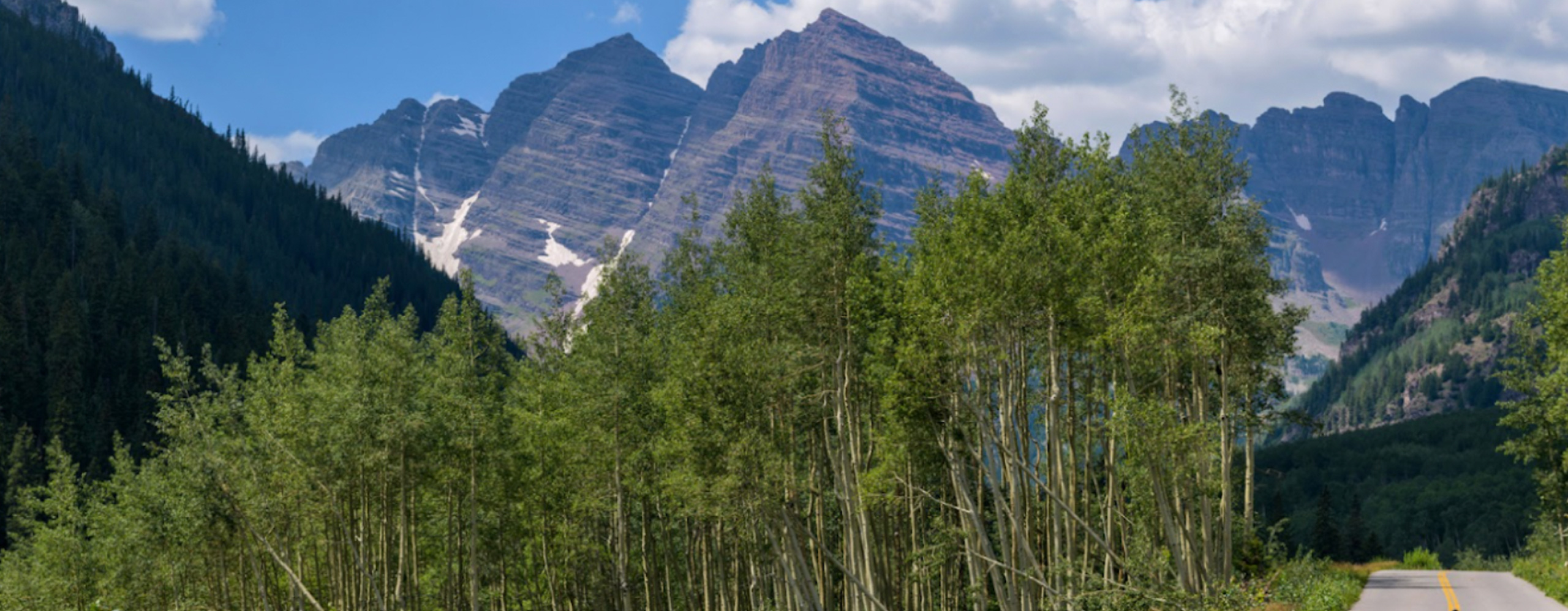
Aspen, Colorado is one of the highest cities in the United States, sitting in the Rocky Mountains at nearly 8,000 feet. And if you’re planning on skiing, hiking, or riding the Gondola while vacationing in Aspen, you’ll get as high as 11,212 feet.
That could be thousands of feet higher than home, especially if you live near the ocean, which means you could notice you’re going through some physical shock. If you haven’t taken the steps to acclimatize to the altitude, your vacation might get off to a rough start.
What is Altitude Sickness?
Believe it or not, there is no less oxygen at higher elevations — the air contains 21% oxygen at all times. In a place like Aspen, there’s simply less pressure pushing the oxygen into your lungs. That means your lungs won’t have access to the volume of air they’re used to, which can cause anyone’s system to signal an alarm.
Altitude sickness can affect people of all ages and fitness levels. While the onset of altitude sickness is fairly unpredictable, you’ll tend to notice it when you’ve changed elevation relatively quickly — whether you’ve ascended or descended. Altitude sickness is usually expected around 5,000 feet, though some people don’t notice anything until 10,000 feet, and others don’t notice a thing. There’s no way of knowing whether it will affect you on a consistent or sporadic basis.
Recognizing Altitude Sickness in Aspen
Knowing how to recognize and cope with altitude sickness can make an Aspen vacation more enjoyable, especially if you begin to feel unusual. You can avoid acute mountain sickness by taking any change in symptoms seriously, no matter how minor they seem.
Ask yourself these questions:
- Are you noticing any shortness of breath?
- Do you feel a headache coming on?
- Is your pulse faster than normal?
- Are you feeling at all dizzy or lightheaded?
- So you feel more tired than usual (don’t assume it’s jet lag)?
Avoiding Altitude Sickness in Aspen
Ease into Altitude
You’ve been looking forward to your Aspen vacation and don’t want to waste any time, but extending your vacation at either end with a day lower in elevation (such as in Denver) can help you avoid altitude sickness. You’ll be giving your body a chance to adjust a little at a time. Spending a night in Denver has been known to reduce the likelihood of altitude sickness by 25 to 50 percent.
Drive Your Way Up
In line with the suggestion above, a drive will help you acclimate over more than the time it takes for a short flight. You’ll have a chance to increase your elevation at a slower rate, which can help to prevent system shock. Over 3-4 hours, you’ll go more gradually from Denver’s 5,280 feet to Aspen’s 8,000.
Drink Water, Not Alcohol
While adequate hydration does not directly prevent altitude sickness, even mild dehydration means your system will adjust more slowly. Dehydration also makes you feel poorly, so increasing your water and electrolytes before you arrive — and continuing this conscious effort once you’re here — means you’ll have a better chance of acclimating.
Consuming alcohol contributes to dehydration, lowers your breathing rate, and decreases your ability to take in oxygen, all of which mean you’ll adapt more slowly to the altitude if you imbibe. We recommend you take time to acclimate before you reach for the fancy cocktails in town.
Soak Up the Sun
Get as much sun as you can (remember your sunscreen, of course) in the days leading up to and during your Aspen vacation. Consume more complex carbohydrates as well. Natural sunlight has been shown to aid carbohydrate utilization, and carbohydrates require less oxygen to metabolize. You’ll be able to maintain your energy levels more efficiently, which will help to mitigate altitude sickness (or possibly avoid it altogether).
Start Slowly
Because your system may be in shock, we recommend taking some extra downtime right after you arrive in Aspen to avoid altitude sickness. If you can’t wait to see the sights, at least take it easy the first day or two — plan your strenuous adventures for later in the week. Take longer and more frequent breaks during the day and keep your physical exertion to a minimum. If you let your body adjust at its own pace, you’ll have a much happier Aspen vacation experience.
Supplement Your Oxygen to Adapt
If you need some extra oxygen to help you adjust more quickly, Aspen has a number of oxygen bars and lounges in town. To begin, try Alpine Oxygen, Rescue Lounge, or Remed Spa. Or Oxygen Now has a medical-grade mobile pharmacy that delivers oxygen right to your door. Non-medical-grade oxygen boosters are also available at Carl’s Pharmacy on Main Street for a quick and easy fix.
Acclimating to Aspen in Comfort
At Aspen Luxury Rentals, we can offer you a wide selection of luxury Aspen homes to increase your enjoyment of our town while you acclimate. You’ll feel so relaxed that you’ll find you adjust to the elevation and crisp mountain air more quickly. We can help you find the perfect place to stay while adjusting to the elevation. Reach out and contact us for pricing and availability.